Roof rental route
Solar in Part A
Solar systems in part I: A revolution in agricultural uses
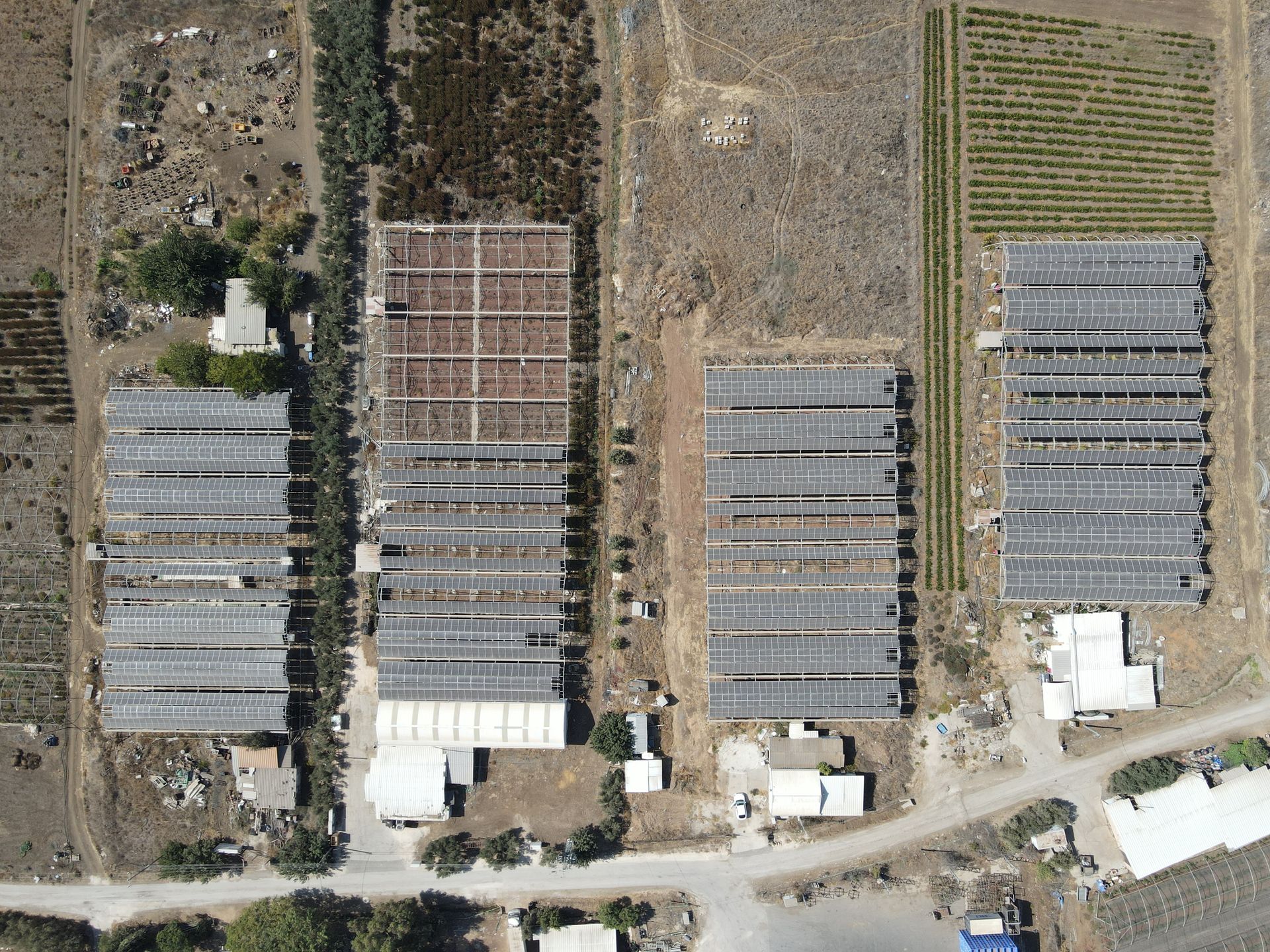
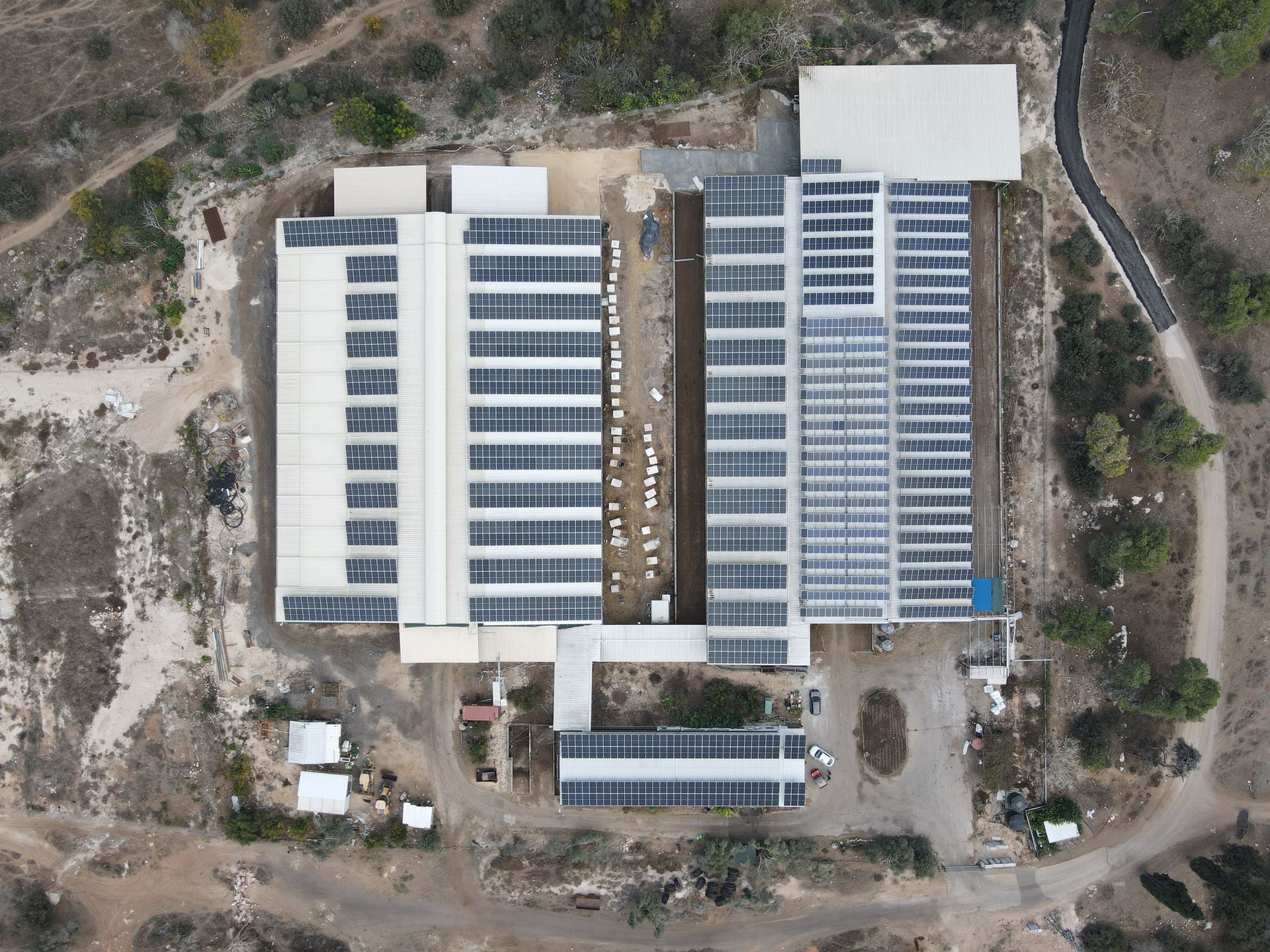
For the first time, the Israel Land Authority and the Planning Directorate have approved the installation of solar systems in an area of up to one dunam in Plot A. This plot, which is the center of the agricultural estate and is used for housing and agricultural processing, can now also be used to produce renewable energy.
What is an estate and what is a plot of land?
Part A
It is the central part of the estate, and is used primarily for the construction of residential buildings and agricultural cultivation. It is a continuous area, which usually includes the residence and the areas designated for agricultural activity. Additional plots, such as Plot B or Plot C, are usually dedicated to agricultural cultivation and are not necessarily adjacent to the residential buildings.
inheritance
It is an area of agricultural land intended for use as a residence, livelihood, and agricultural cultivation for the settler. In Israel, estates are defined by the competent authorities and include areas designated for agricultural cultivation, residential buildings, and other uses, in accordance with the outline plan of the settlement.
Recently, Plot A received approval to install solar systems, allowing landowners to utilize the area for renewable energy production, alongside the continuation of traditional agricultural use. This is a significant change that strengthens the connection between agriculture and green technology.
What is needed to set up a solar system in Part A?
To set up a solar system in Plot A, several conditions and guidelines must be met:
- Building permit: A permit must be obtained from the authorized authorities, such as the local committee or the community council.
- Compliance with the local plan: The system must be compatible with the local outline plan and comply with the land use restrictions.
- Installation area: The system can be installed in an area of up to a dunam, near a residential building or farm.
- Site access: Easy access to the construction site must be maintained and ensure that there are no obstructions to nearby structures.
- Maintaining agricultural activity: The installation will not harm agricultural use of the area and will allow for continued activities such as crops or grazing.
- Choosing the right technology: It is recommended to use technologies such as panels on poles or solar trackers, which allow for the combination of electricity production and agriculture.
- Compliance with regulations: Local building code requirements and regulations relating to solar installations must be met.
Meeting these conditions will ensure efficient installation of the system, while utilizing the area for green energy production and maintaining its agricultural purpose.
Solar system on a rental basis with Solarzi Company
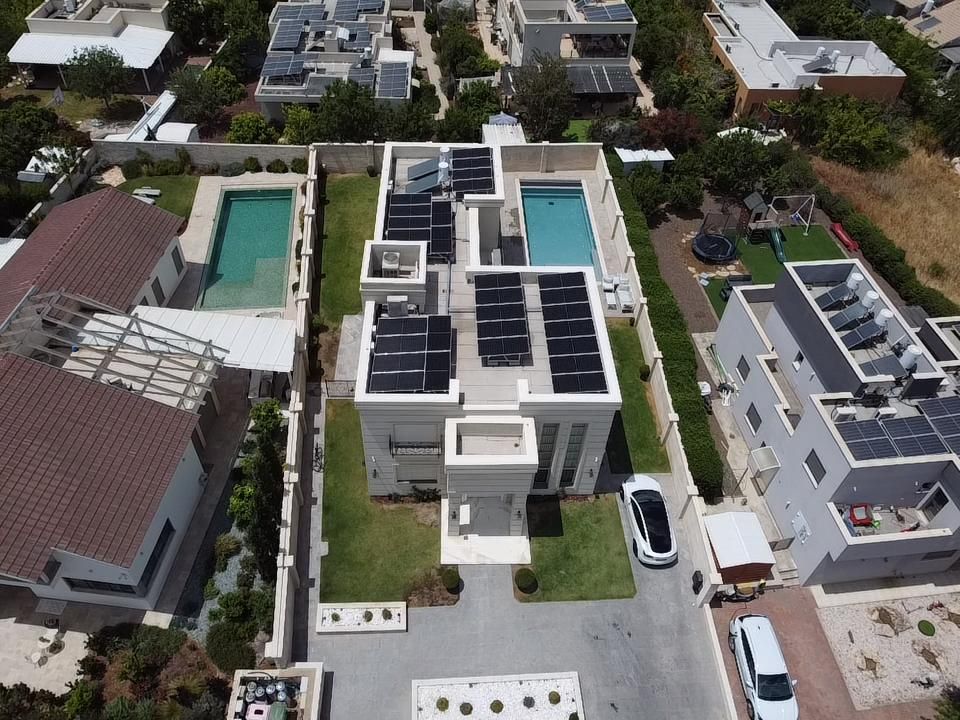
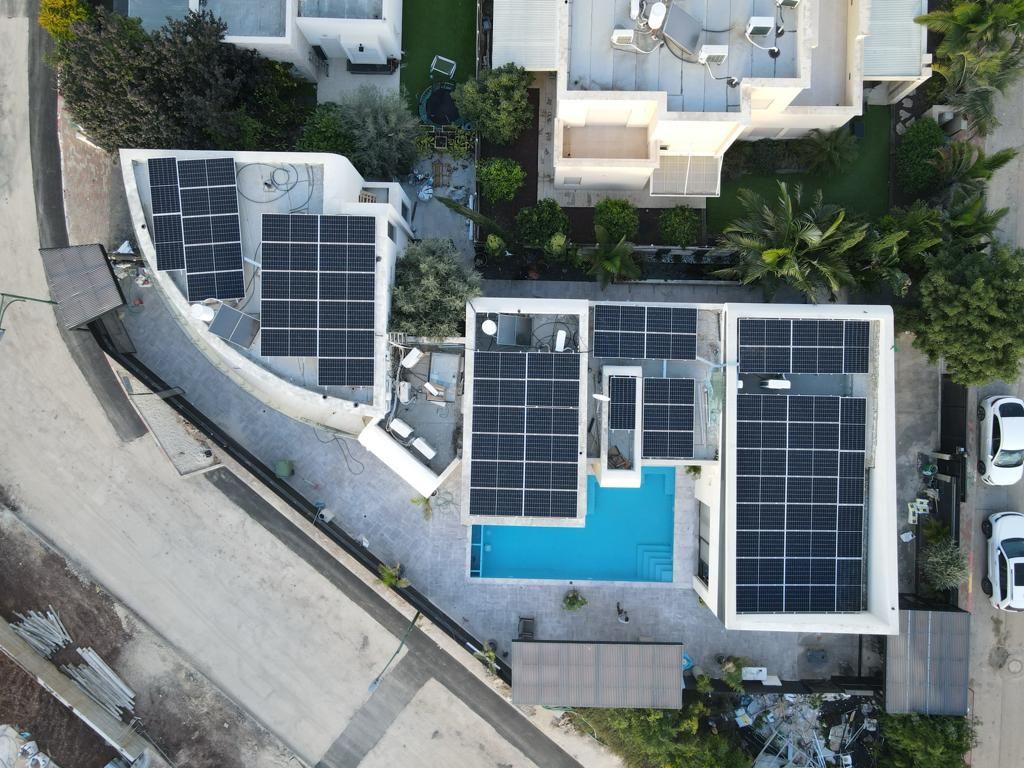
Solarci offers a unique service of installing solar systems in a rental format, which allows property owners to generate profits from their roof without the need for an initial investment or system management.
How does it work?
Green electricity:
The electricity produced is sold to the national electricity grid or used by the building, according to the agreement.
Full management:
Solarci is responsible for all stages of the system's construction, maintenance, insurance and operation.
Passive income:
In exchange for use of the roof, the property owner receives a fixed rental fee or a portion of the profits from the electricity output sold to the grid.
Rooftop rental:
Solarzi signs a lease agreement with the property owner and uses the roof to install an advanced solar system.
Who is this suitable for?
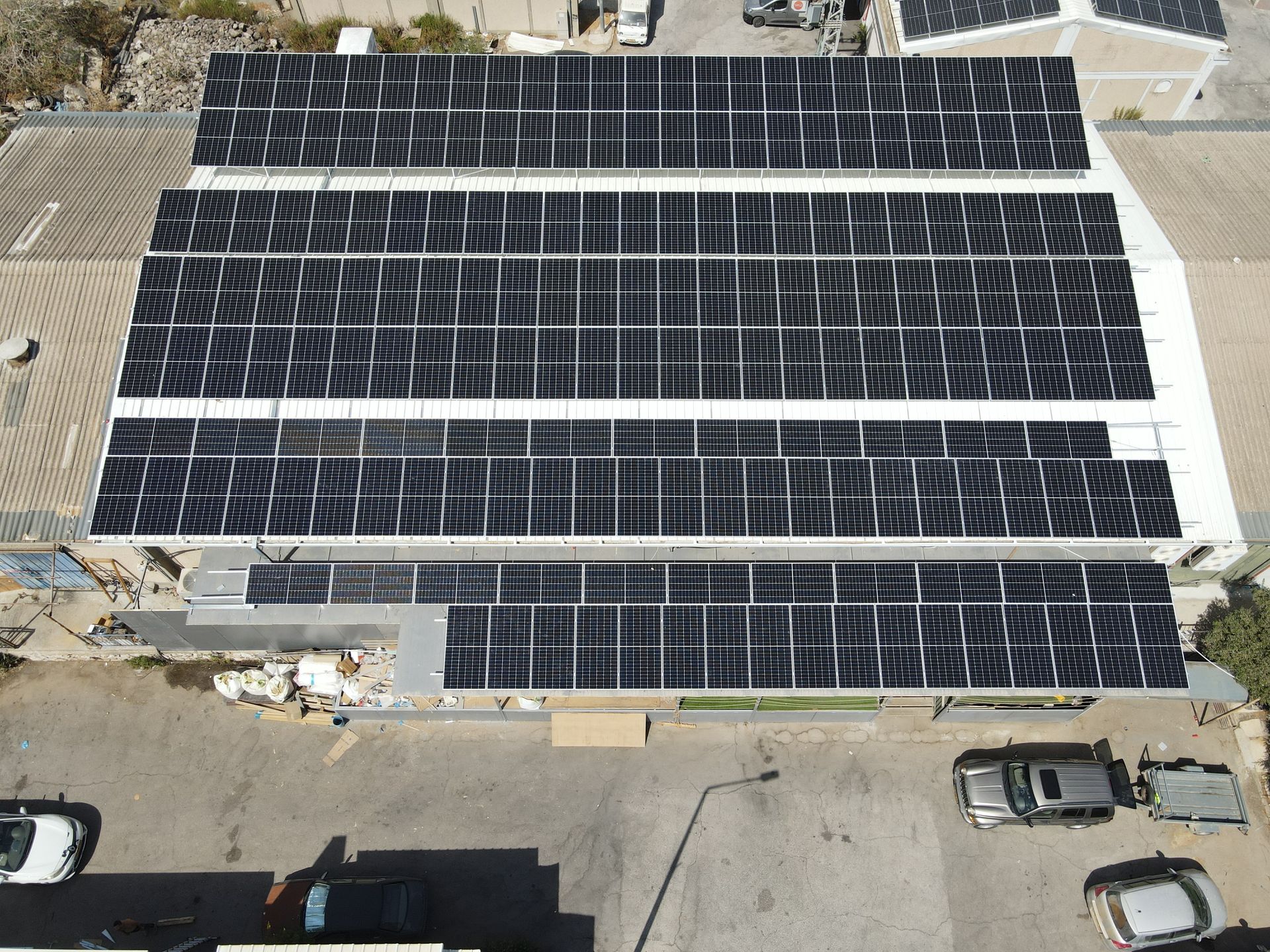
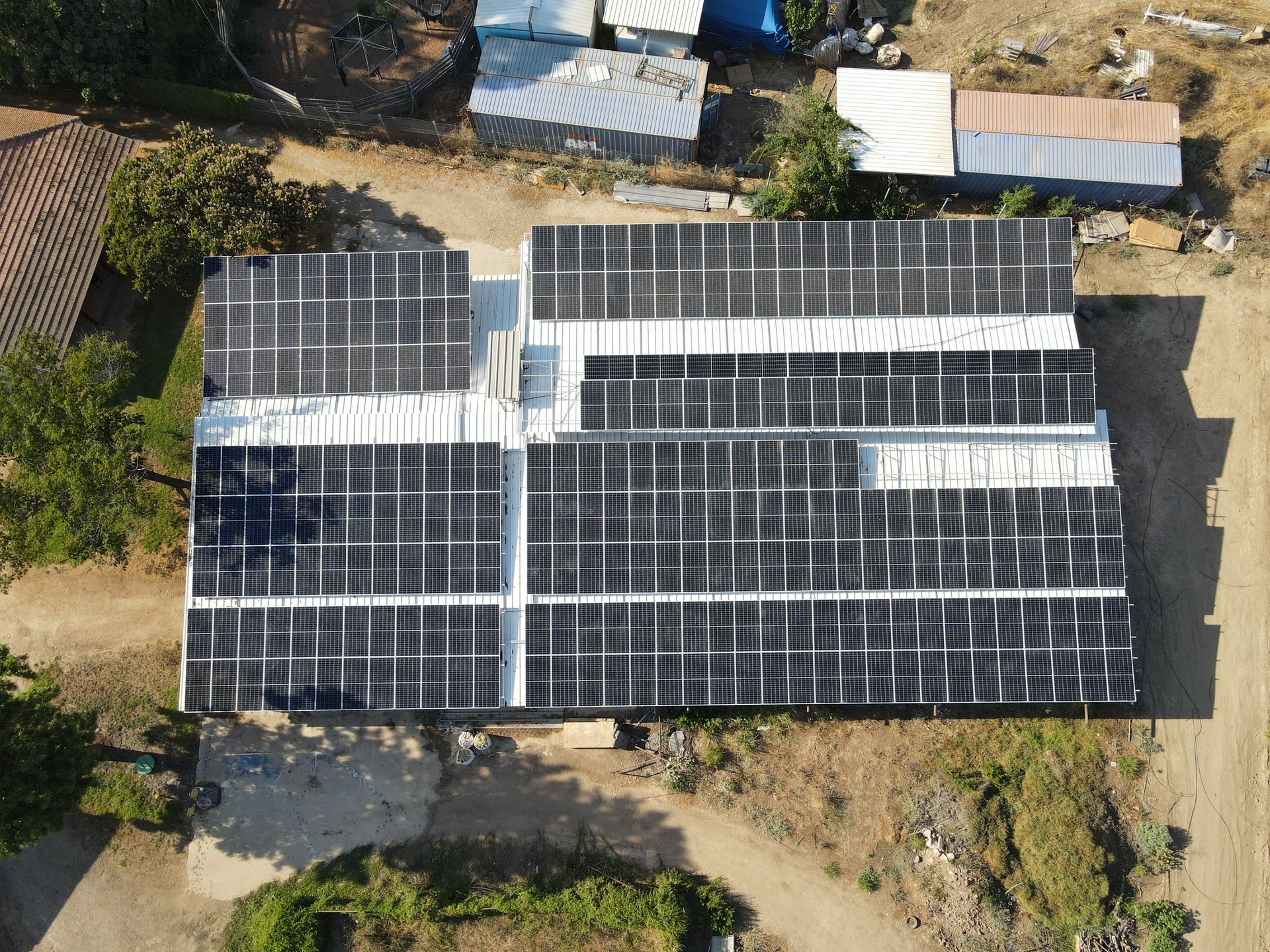
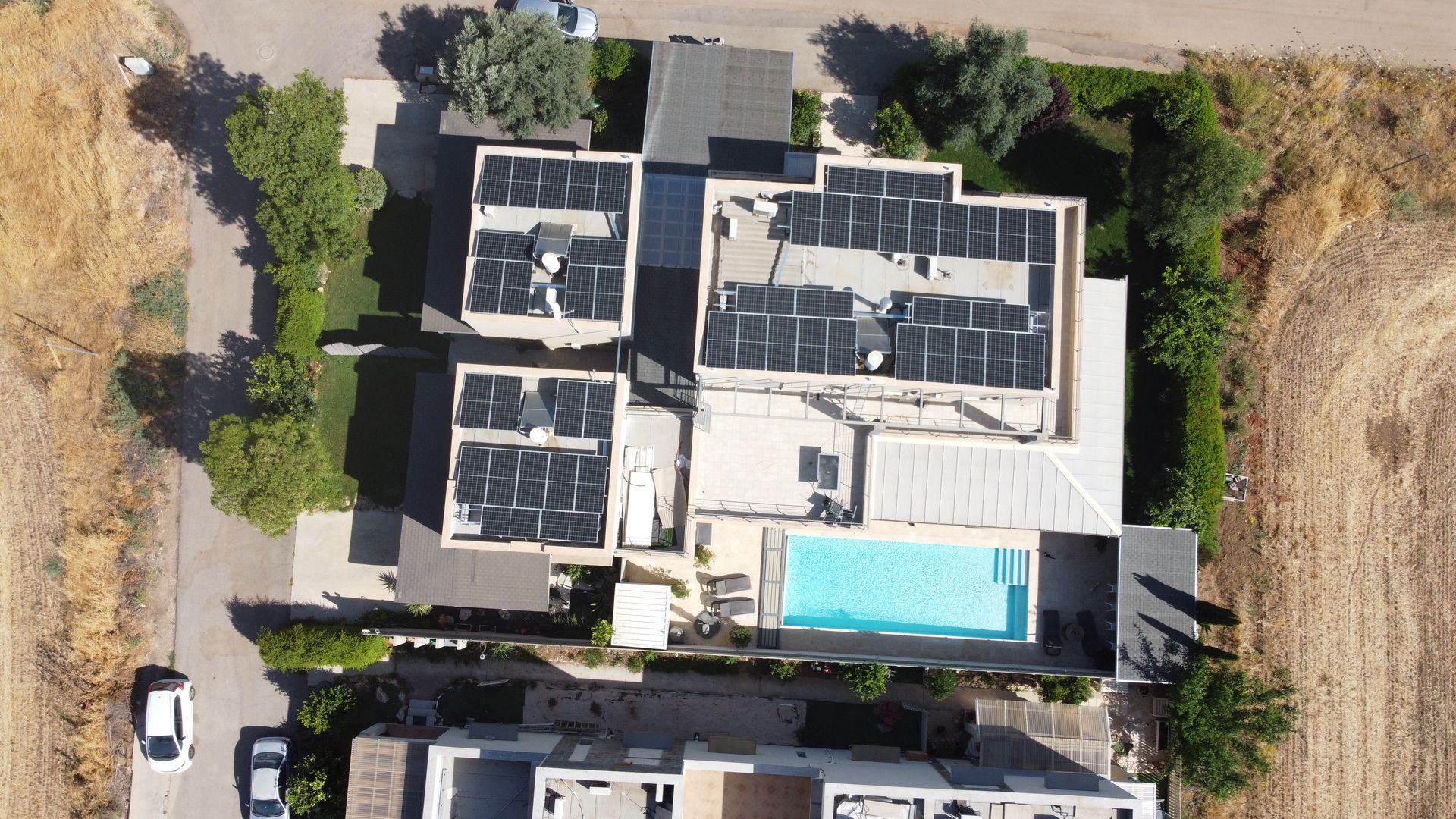
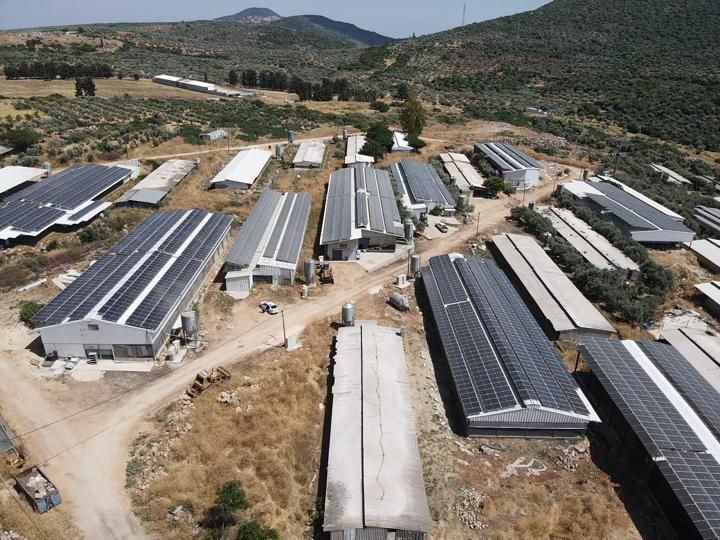
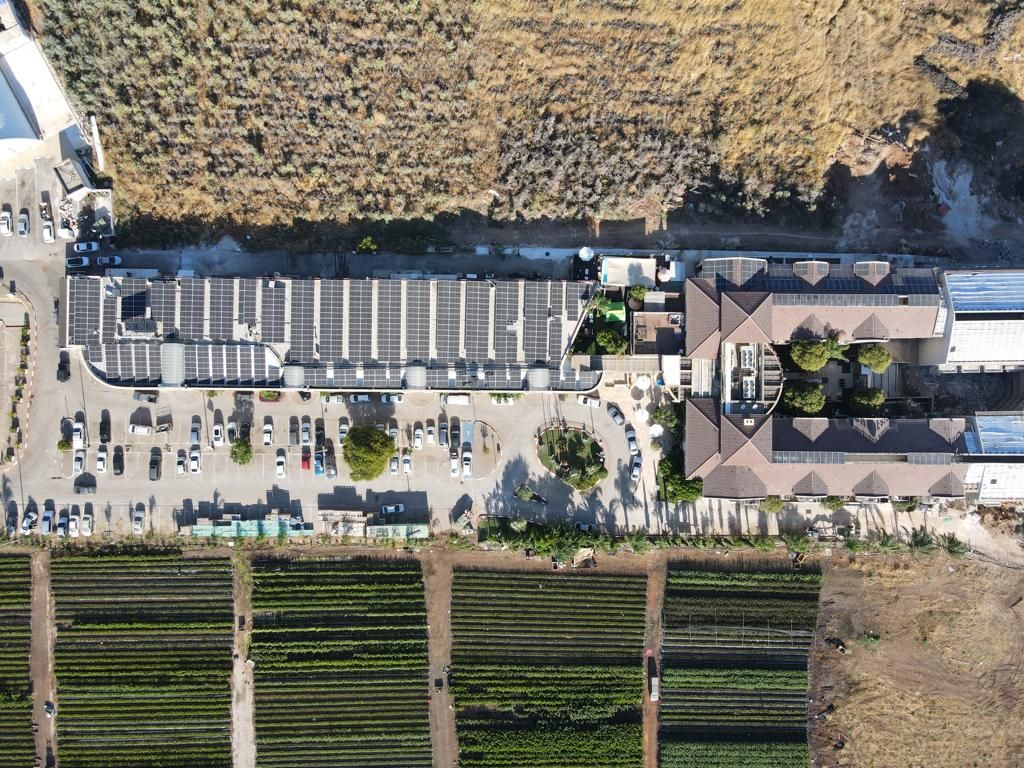
Renting a roof for a solar system is suitable for both private customers and businesses with a significant amount of available roof space. For example: for private homes or apartment buildings, a roof area of at least 100 square meters is required, while business or public buildings will require a roof area of at least 600 square meters.
The area required varies depending on characteristics such as the type of client, the angle of the roof slope and the direction it faces. You can check the suitability of your roof using a dedicated calculator on our website or contact us for professional advice, where we will provide you with a personalized offer and all the necessary details.
Additionally, if you own a property that includes a vacant plot of land (plot A), it may be possible to install the system on the ground instead of on the roof. We invite you to contact us to review the feasibility and options available to you.
Advantages of renting roofs for a solar system
- A green and environmentally friendly process: Producing electricity from solar energy is non-polluting, quiet, and uses a renewable, non-depleting energy source. A significant contribution to Israel's energy independence.
- Economic profit: Receive income immediately and for many years, without the need for financial investment. In addition, there is the possibility of significant connection grants.
- Increase in property value: Installing a solar system increases the value of the property and makes it more attractive in the real estate market.
- Minimal hassle: The handling company takes care of all the technical and bureaucratic aspects, so you enjoy the results effortlessly.
- Utilizing vacant space: turning an unused roof into a stable and profitable source of income.
6 shared roofs
The roof of your condominium building can become an extremely lucrative source of passive income!
If your building has a roof area of 500 square meters or more – Solarzi is here to help you make an easy profit.
We offer an innovative solar system that will generate stable income from green energy, reduce house committee fees for all tenants, and give you peace of mind in the long term.
What do we offer?
- Rental model with no investment cost on the part of tenants
- Or a partnership model that maximizes your profits
- Full management of the installation, maintenance and monitoring, so that you can enjoy passive income and the security of knowing that you are in professional hands.
Don't let your roof stand empty!
With Solarzi, your roof will become a profitable asset that generates both money and a contribution to the environment.
Contact us today for more details and a no-obligation profit estimate!
To install a solar system in a shared building, there are a few things you should know:
Roof area: A roof area of at least 500 square meters is required.
Tenant consent: Consent of 66% of the apartment owners in the building is required for the installation of the system.
Tax benefits: You can enjoy tax benefits on income from solar electricity production, which increases your profitability.
Full management: A professional company will take care of the entire project process – from planning, through construction, to ongoing maintenance.
Long-term peace of mind: The system will provide you with a stable and secure income for 25 years, with minimal effort on your part.
This is an opportunity to upgrade your roof into an asset that generates both income and contributes to the environment!
What does "majority decides" mean?
In the past, installing a solar system on the roof of a condominium building required the full consent of all tenants, making the process nearly impossible. Today, the new law eases the conditions and allows the installation of a solar system as soon as there is consent from at least 66% of the tenants.
How can you profit from a solar roof?
Selling electricity: The building sells the electricity produced by the system to the electric company and generates a fixed income.
Consumption savings: Electricity can be used by the building's residents and significantly reduce monthly electricity costs.
And what about the opponents?
Tenants who do not agree to the move will not be required to participate in the construction costs, but will also not benefit from the profits or savings.
Why now?
The new law opens up an opportunity to turn the roof into a source of income or cost savings – easily and in a way that serves most tenants.