Solar Energy - The Complete Guide
What is solar energy, and how does it affect our lives?
Solar energy, based on the sun's radiation, is considered the largest and most significant source of energy on Earth. Every day, the Earth absorbs about 173 trillion terabytes of energy from the sun - ten thousand times more than the amount needed by all of humanity. With these impressive figures, the sun could become the world's reliable and primary energy source in the future.
In the past, humanity relied mainly on fossil fuels such as oil, coal and natural gas to meet its energy needs. However, these sources have many negative consequences. They contribute to global warming, pollute the environment and cause serious ecological damage such as acid rain, which harms humans, animals and vegetation. In addition, the limited access to fossil fuels in many countries creates economic and political dependence that can lead to global instability.
This is where solar energy comes in, as it is a renewable and environmentally friendly alternative. It is available without limit, does not deplete, and does not emit pollutants during the energy production process. These advantages make it a green, reliable, and sustainable energy source that can ensure a stable electricity supply over time.
With its enormous potential and significant contribution to environmental protection, the sun can become the world's main energy engine and lead to a new era of sustainability and environmental responsibility.
Solar energy in Israel
Progress in the field of renewable energies in Israel
Utilizing solar energy – an opportunity for innovation and savings
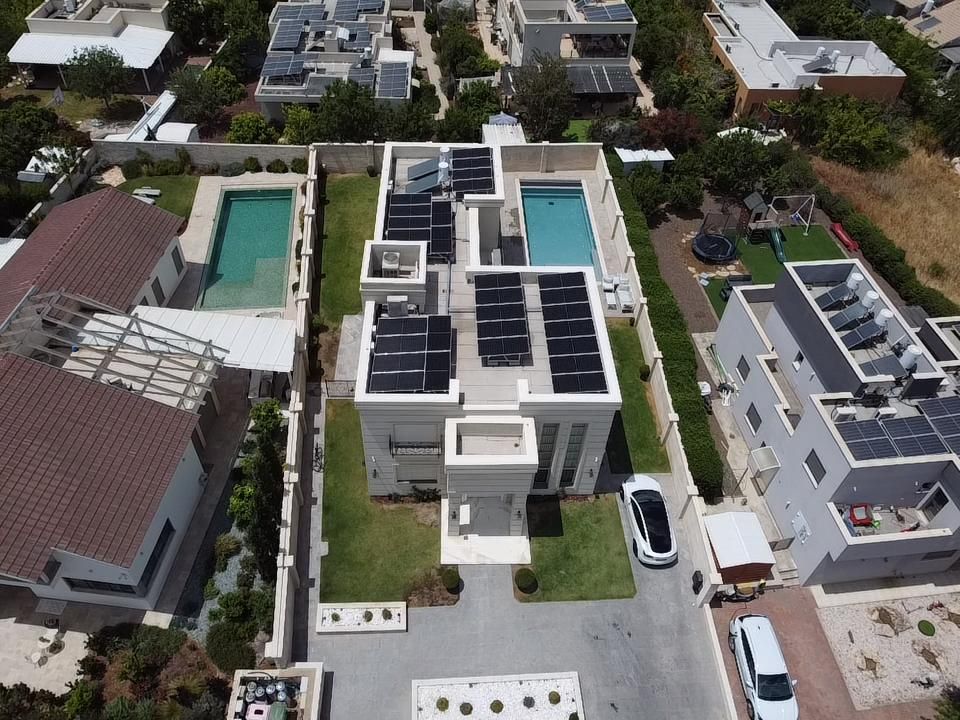
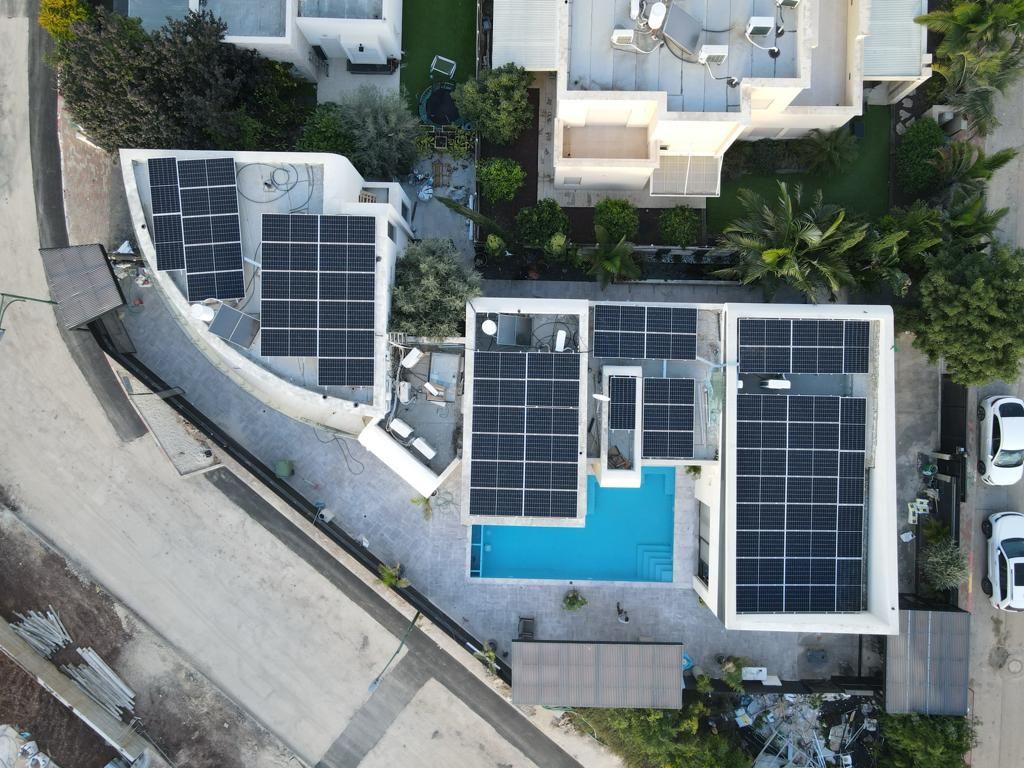
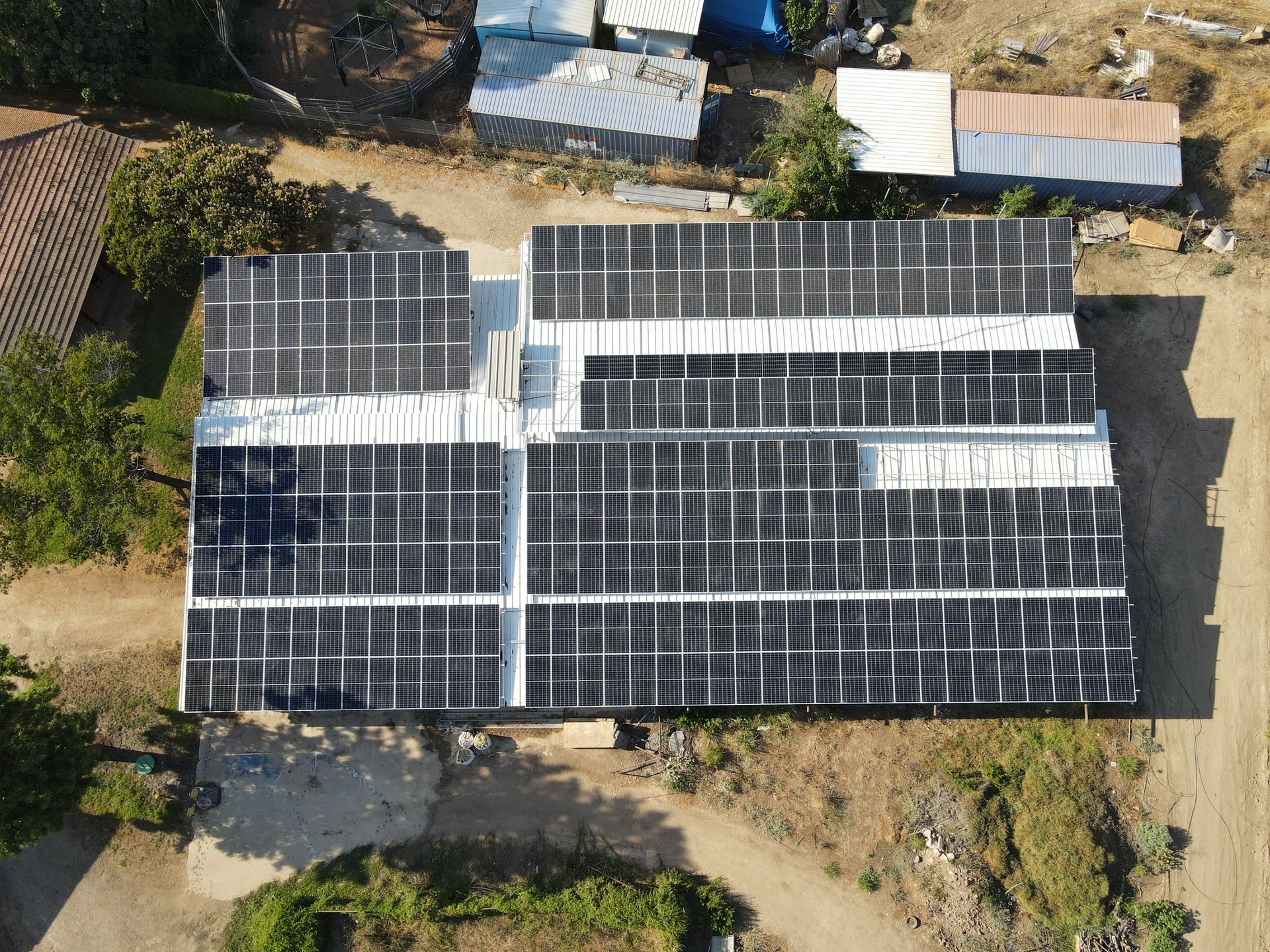
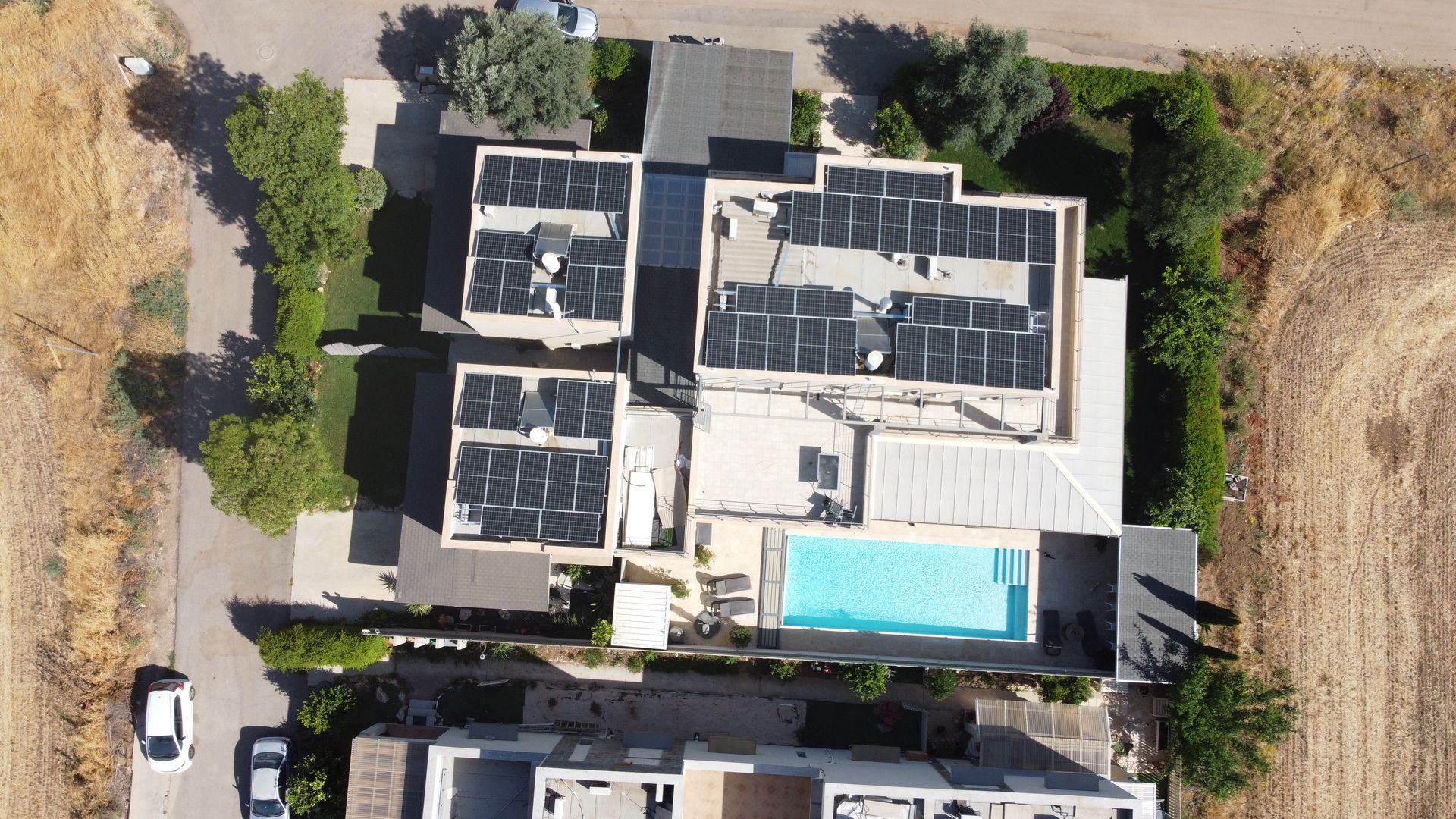
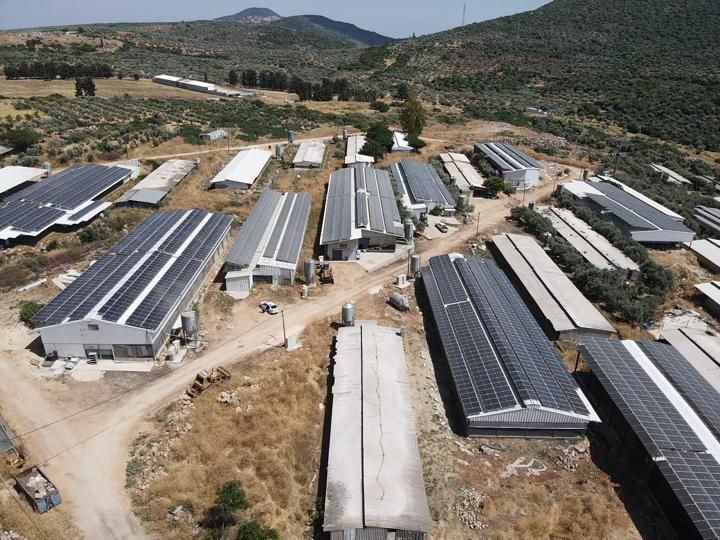
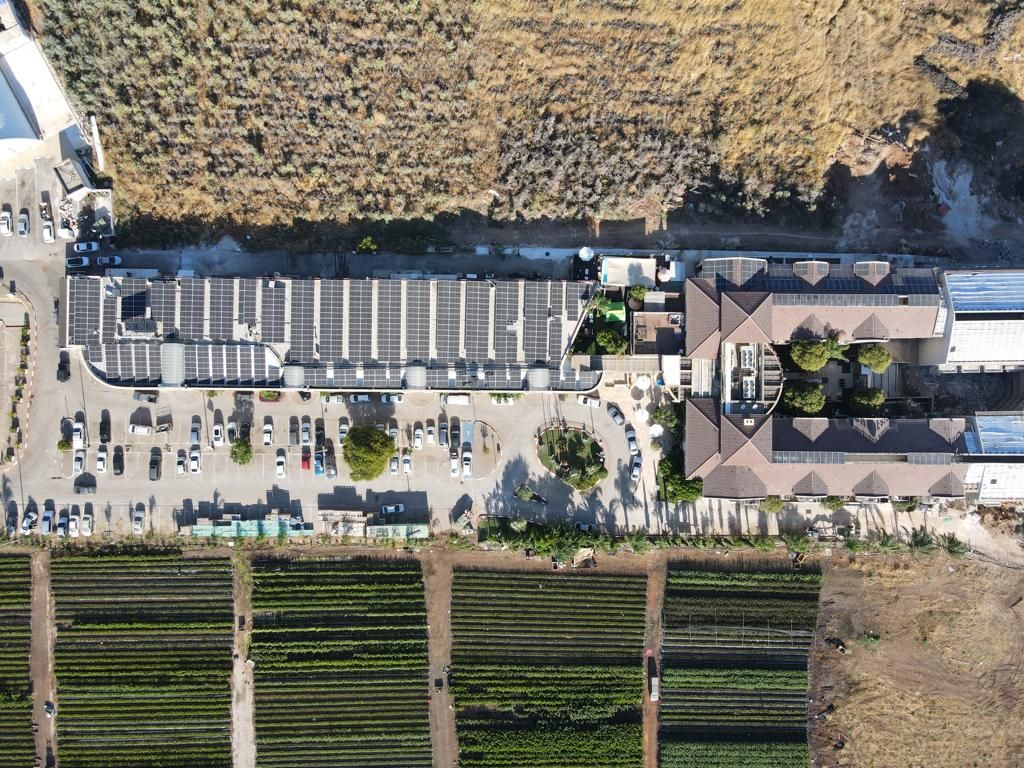
In Israel, where electricity is considered a national infrastructure, solar energy offers an innovative and efficient solution for both large facilities and private uses. Solar panels are suitable for both huge solar farms and private rooftops, making this technology accessible and efficient for anyone with a free roof.
The State of Israel is a pioneer in the field of solar energy. As early as the 1950s, the invention of the solar heater made the sun an available energy source, and it led to the development of modern solar panels that produce electricity. Today, solar panels are an advanced, efficient, and durable technology that can also be used to store energy.
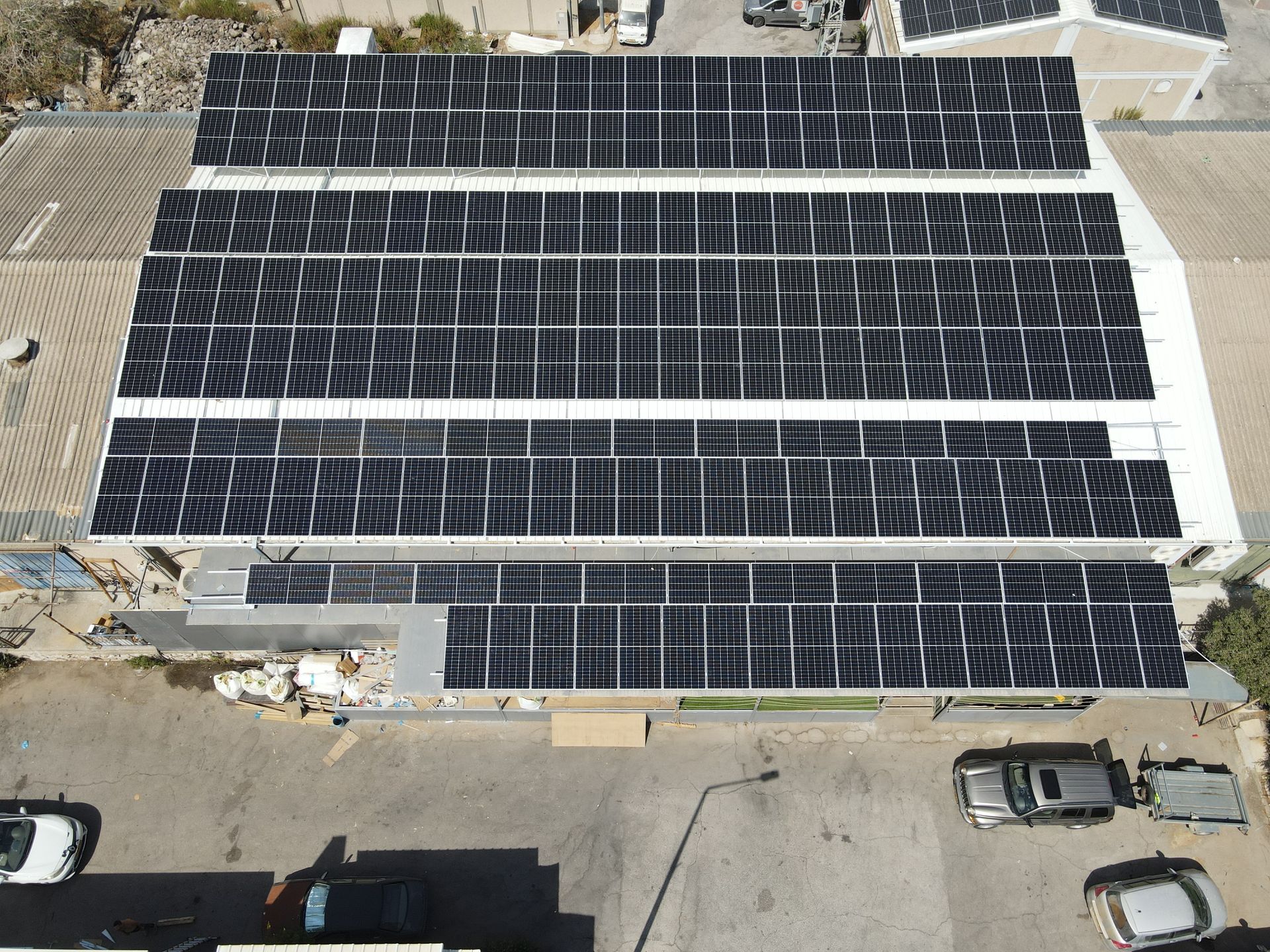
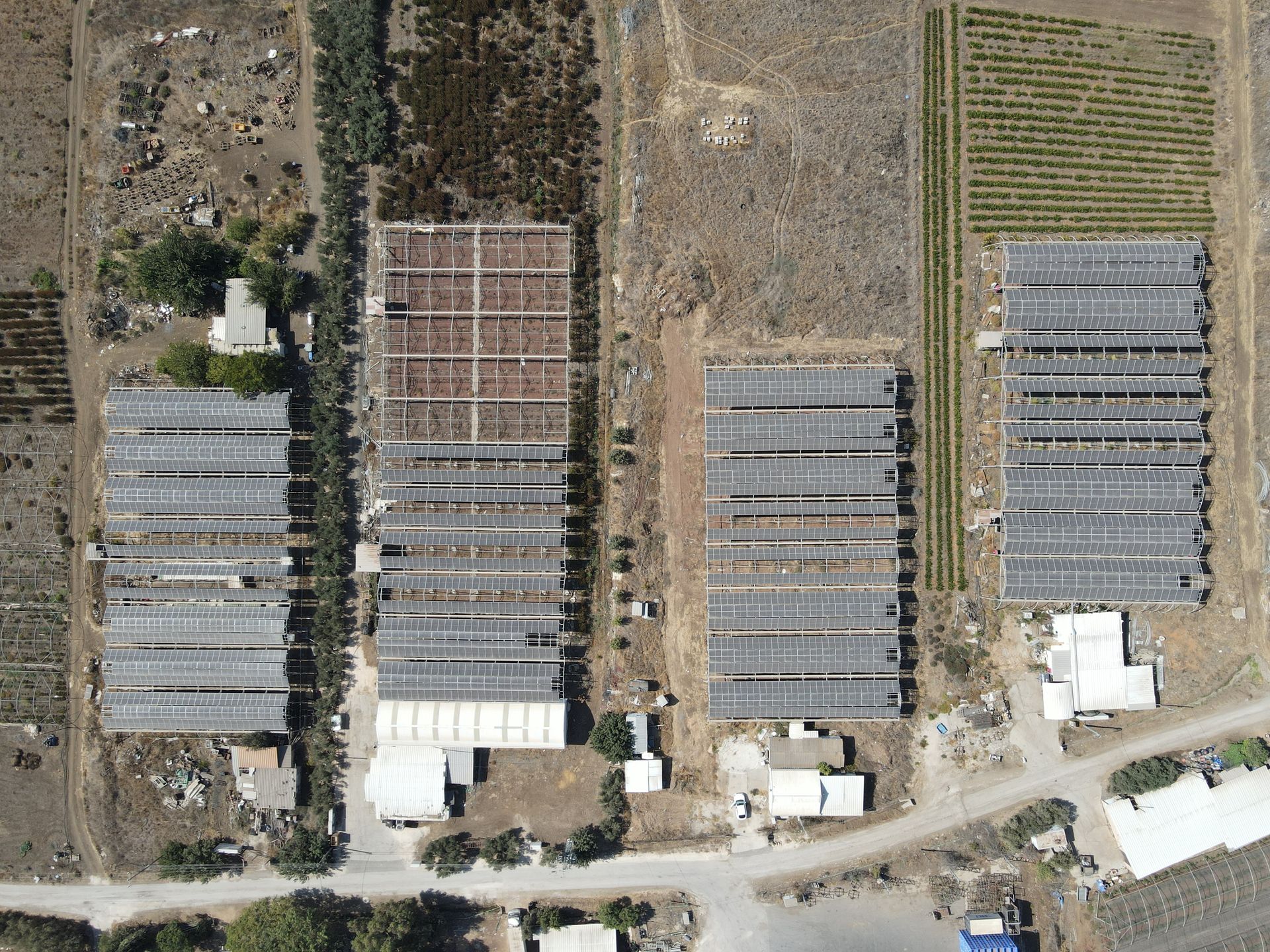
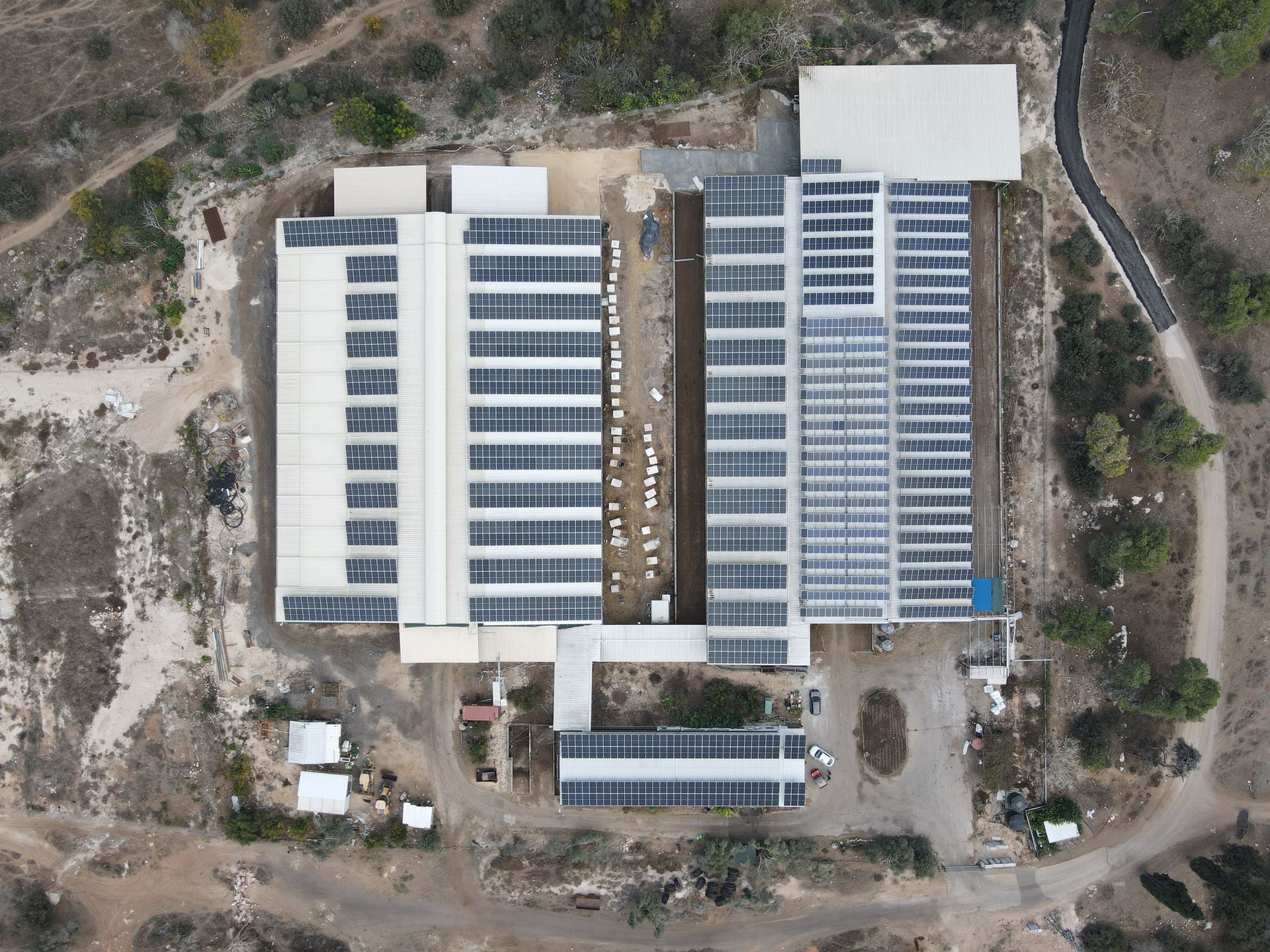
With many sunny days a year, Israel has enormous potential for using solar energy. Private rooftops, industrial and agricultural buildings, and residential buildings – all can be transformed into solar roofs and generate clean electricity, reduce electricity costs, and generate passive income for many years.
Installing panels does not require special structures and is suitable for almost all types of roofs, including tiled roofs. A free space of 70 square meters or more may be enough to turn your roof into a source of green and economical energy.
Harnessing the sun – a green future within your reach!
Power consumption
Israel is experiencing a rapid increase in electricity demand compared to Western countries, as a result of high natural population growth and rapid economic development. To maintain the share of renewable energies in the electricity consumption mix, even without changing this rate, there is a need for a constant addition of renewable energy generation facilities with significant production capacity each year.
What is a solar system?
A solar system is a technological system designed to convert solar radiation into electrical energy that can be used for various purposes. It utilizes the available and unlimited resource of the sun to generate electricity in a clean and environmentally friendly manner.
Solar system components:
- Solar (photovoltaic) panels: The central part of the system, which converts solar radiation into electrical energy using photovoltaic cells made of silicon.
- Inverter: Converts the electricity produced by the panels (direct current - DC) into electricity suitable for home or commercial use (alternating current - AC).
- Wiring and connection system: connects the panels to the inverter and electrical panel, ensuring efficient transmission of energy.
- Electricity meter: Tracks the amount of electricity the system produces, is used for measuring and sometimes for selling excess electricity to the electric company.
- Storage batteries (optional): In advanced systems, batteries can be added to store electricity for use during times when there is no sun, such as at night.
How does the system work?
- The panels absorb solar radiation and produce electricity in the form of direct current (DC).
- The converter converts the current into alternating current (AC) for immediate use in your home or business.
- In grid-connected systems, excess electricity is transferred to the national power grid or stored in batteries.
- The system continues to operate as long as there is sunlight, and it is quiet, efficient, and free of pollutants.
Advantages of the solar system:
- Saving on electricity costs: Generating free electricity from the sun reduces dependence on electricity from the grid.
- Environmental sustainability: The system operates without pollutant emissions and contributes to reducing the carbon footprint.
- Energy independence: Allows for self-generation of electricity, and sometimes also storage for future needs.
- Economic investment: The system is profitable in the long term, with the option of selling excess electricity to the electric company.
- A solar system is a green, smart, and affordable solution that allows anyone to utilize the power of the sun to save energy and protect the environment.
What is a solar panel and how does it work?
A solar panel is an advanced technological panel that converts solar energy into electricity. It contains photovoltaic cells, made of semiconductor materials such as silicon, whose function is to absorb the sun's rays and produce electrical current that can be used in homes, businesses, and public buildings.
Why choose solar panels?
Solar panels offer a green and effective solution for generating renewable energy. They reduce electricity costs, are environmentally friendly, and do not emit pollutants. Their use is expanding, thanks to the growing awareness of the importance of sustainability and economic savings.